Just How Waste Equipment Enhances Efficiency in Garbage Disposal Procedures
Waste Equipment plays an important duty in enhancing the performance of garbage compactor procedures. By using innovative sensors and automation, these systems enhance compaction cycles and keep an eye on load capacities efficiently. This assimilation not just saves power however additionally minimizes pick-up frequency and associated expenses. As organizations progressively take on these modern technologies, the implications for functional sustainability and monitoring approaches come to be more clear. What various other benefits might arise from these improvements in waste Equipment?
The Duty of Advanced Sensors in Compaction Performance
Advanced sensors play an important duty in improving the effectiveness of garbage compactor. These advanced gadgets monitor different criteria, including lots capability, moisture degrees, and compaction cycles, enabling real-time modifications. By precisely determining the quantity of waste, sensors make it possible for compactors to enhance their operation, making sure that power intake is minimized while maximizing the volume of waste processed.
In addition, progressed sensors add to predictive upkeep by identifying potential concerns prior to they bring about Equipment failure. This aggressive method not only reduces downtime however also expands the lifespan of the compactor. Furthermore, data collected from these sensors can be evaluated to boost operational approaches, causing improved waste management practices. On the whole, the combination of sophisticated sensing units in garbage compactor significantly enhances their performance and functional efficiency, equating into expense savings and a more sustainable approach to waste disposal.
Sturdiness and Design: Materials That Issue
The durability and style of garbage compactor copyright substantially on the materials made use of in their construction. Top notch steel is usually the primary selection, giving strength and resistance to deterioration. This robust material endures the immense pressure exerted throughout compaction, guaranteeing longevity and reliability. In addition, parts such as hydraulic systems are commonly crafted from corrosion-resistant alloys to avoid deterioration in time, improving operational performance.
Design likewise plays a crucial duty in functionality; calculated reinforcements and ergonomic forms can noticeably affect efficiency. Manufacturers often prioritize modular layouts, permitting less complicated repair and maintenance. Furthermore, innovations in finishing innovations, such as powder covering, boost resistance to environmental elements, consisting of dampness and chemicals. Inevitably, the mindful selection of products not just improves the architectural honesty of garbage compactors however likewise contributes to their general efficiency and effectiveness in waste administration operations.
Automation and Smart Innovation in Waste Equipment
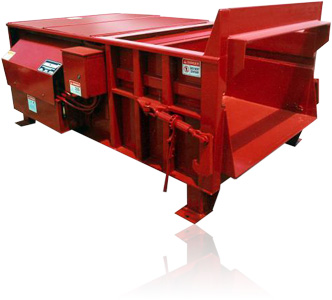
Additionally, automated compactors can maximize compaction cycles based on the volume of waste, taking full advantage of space and boosting functional effectiveness. Combination with mobile applications enables customers to monitor and control compactors from remote places, improving convenience and responsiveness. By embracing these technologies, waste administration business can not just boost their functional workflows but also add to even more sustainable methods by minimizing waste and optimizing source usage. In general, automation and smart technology stand for a substantial jump forward in the performance of garbage compactor procedures.
Information Analytics for Optimizing Waste Management
Taking advantage of information analytics uses waste administration business an effective device for boosting and enhancing procedures effectiveness. By gathering and evaluating data from various resources, such as compactor performance metrics and waste generation patterns, companies can gain valuable insights. These understandings enable them to make educated decisions concerning collection schedules, compactor use, and maintenance needs.
Anticipating analytics can forecast waste generation trends, permitting business to allot sources a lot more properly and prevent potential overflows or underutilizations of Equipment. Real-time surveillance via information analytics additionally boosts the capability to react quickly to functional obstacles, reducing downtime and improving solution integrity.
Additionally, integrating information analytics with existing waste management systems cultivates a society of constant renovation. By determining ineffectiveness and tracking performance gradually, firms can improve their procedures and embrace finest methods, inevitably causing a much more lasting and effective waste monitoring method.
Price Financial Savings Via Enhanced Functional Effectiveness
By enhancing procedures and minimizing waste, firms can attain significant expense financial savings in their waste management processes. Enhanced functional effectiveness in garbage compactor lowers the regularity of pickups, bring about lower transportation costs. look at these guys In addition, progressed waste Equipment enables optimum compaction, maximizing container ability and reducing the requirement for added containers.
This increased efficiency not just reduces garbage disposal fees yet additionally extends the lifespan of Equipment, lowering upkeep costs. Automated surveillance systems provide real-time information, permitting proactive modifications in waste handling, which can in addition enhance efficiency and minimize unintended expenses.
In addition, robust training programs for staff on Equipment usage can bring about boosted functional practices, additionally driving down prices. Eventually, the assimilation of efficient waste Equipment fosters a cost-effective waste management technique that profits business financially while making certain smoother procedures.
Ecological Impact: A Lasting Technique to Waste Monitoring

In addition, carrying out recycling efforts along with compaction processes allows business to divert products from landfills, promoting round economy concepts. Organizations that embrace eco-friendly techniques not only boost their corporate obligation yet additionally attract significantly eco-conscious consumers. By prioritizing sustainability in waste management, organizations can accomplish a dual advantage: improving functional effectiveness while proactively adding to ecological conservation. This well balanced technique positions organizations as leaders in sustainable techniques, promoting a much healthier planet for future generations.
Regularly Asked Concerns
How Commonly Should Waste Equipment Be Preserved for Optimal Efficiency?
The frequency of maintenance for waste Equipment generally depends on use and manufacturer suggestions - Industrial waste compaction equipment. Normally, examinations must occur quarterly, with detailed servicing each year to guarantee peak efficiency and protect against possible failures or ineffectiveness
What Types of Waste Can Be Refined in Trash Compactors?
Garbage disposal can refine different kinds of waste, including cardboard, paper, plastics, and non-hazardous food waste. However, customers need to stay clear of condensing unsafe materials, steels, and liquids to assure safe and effective procedure.
Are There Safety And Security Attributes in Modern Garbage Compactors?
Modern garbage disposal usually consist of security attributes such as automated shut-off devices, emergency situation quit buttons, and sensor systems (Industrial waste compaction equipment). These improvements are made to protect individuals from potential risks during operation, promoting a more secure working setting
How Does Waste Equipment Impact Labor Requirements?
The effect of waste Equipment on labor demands is substantial; it commonly lowers the requirement for hand-operated labor, enhancing and streamlining processes productivity. Fewer workers are required, permitting companies to allocate sources extra successfully.
What Is the Average Life-span of a Garbage Disposal?
The ordinary life expectancy of a garbage disposal typically varies between 10 to 15 years, relying on usage, upkeep, and environmental use this link variables. Normal servicing can expand this lifespan, making certain suitable efficiency and integrity throughout its operational years.
By adopting these technologies, waste management firms can not just enhance their functional operations yet also contribute to even more sustainable techniques by decreasing waste and maximizing source use. By decreasing and improving operations waste, business can attain considerable price savings in their waste monitoring processes. Lasting waste management approaches, specifically in trash compactor operations, contribute substantially to decreasing landfill waste and lowering carbon footprints. Modern waste Equipment is made to optimize compaction, consequently decreasing the volume of waste requiring disposal. Trash compactors can process numerous types of waste, consisting of More about the author cardboard, paper, plastics, and non-hazardous food waste.